

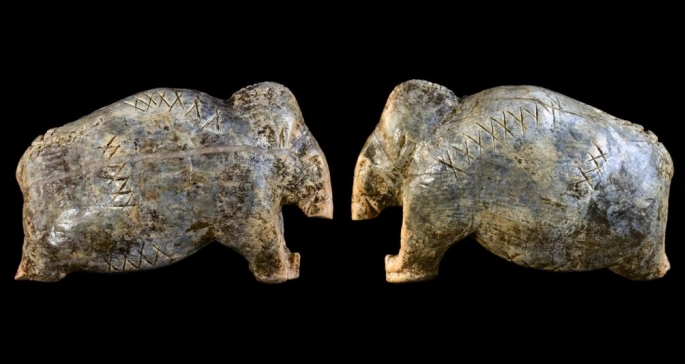
This two-part article analyzes the ancient and mystical origins of artificial intelligence (AI). First, it explains that AI has precedents in mystical thought and finds relevance in certain anthropological concepts. Next, we'll look at how ancient philosophy has helped to explain in advance the way in which we - and in particular students - use artificial intelligence as a “mental orthosis”.
The integration of Artificial Intelligence (AI) in the healthcare sector represents a major transformation that raises complex issues concerning the technical, organizational, and relational dimensions of the profession. This contribution analyzes the key success factors and obstacles to the implementation of AI in healthcare facilities, adopting a holistic perspective that emphasizes communicational and interprofessional dynamics. Through an analysis of recent literature, we identify promising approaches and necessary conditions for successful AI integration, while preserving the quality of caregiver-patient relationships and interactions among professionals. Our analysis reveals that successful implementation relies on a balanced combination of leadership, end-user training, support for teams in modifying their daily work, and ethical governance. The central role of communication in this transformation process is emphasized, both in change management and in the adaptation of professional practices. We propose recommendations that integrate these different dimensions to guide the development and implementation of AI projects in healthcare, focusing on preserving and enriching human relationships within healthcare organizations.
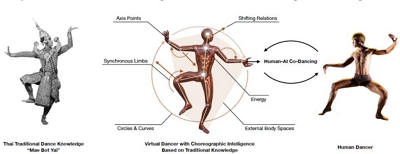
Multimodal generative Artificial Intelligence is an omnipresent technology in our post-industrial societies, as it has penetrated all areas of daily life, from social and commercial relations to the various fields of science and industry, communication, leisure and culture in general. This is to discuss whether AI is applicable to the field of artistic creation in general and to bodily arts such as dance in particular, taking into account emotional sensitivity and creativity, factors that are difficult to generate by a machine. In this article we will discuss examples of corporal artistic manifestations, in the domain of dance, in which corporality itself is called into question in the face of these interactions with humanized bodies conceived, created and “brought to life” by the magic of generative AI. The learning models developed by different Artificial Intelligence software allow these bodies to dance, model or evolve in scenographic spaces created
 First
First Prev
Prev